
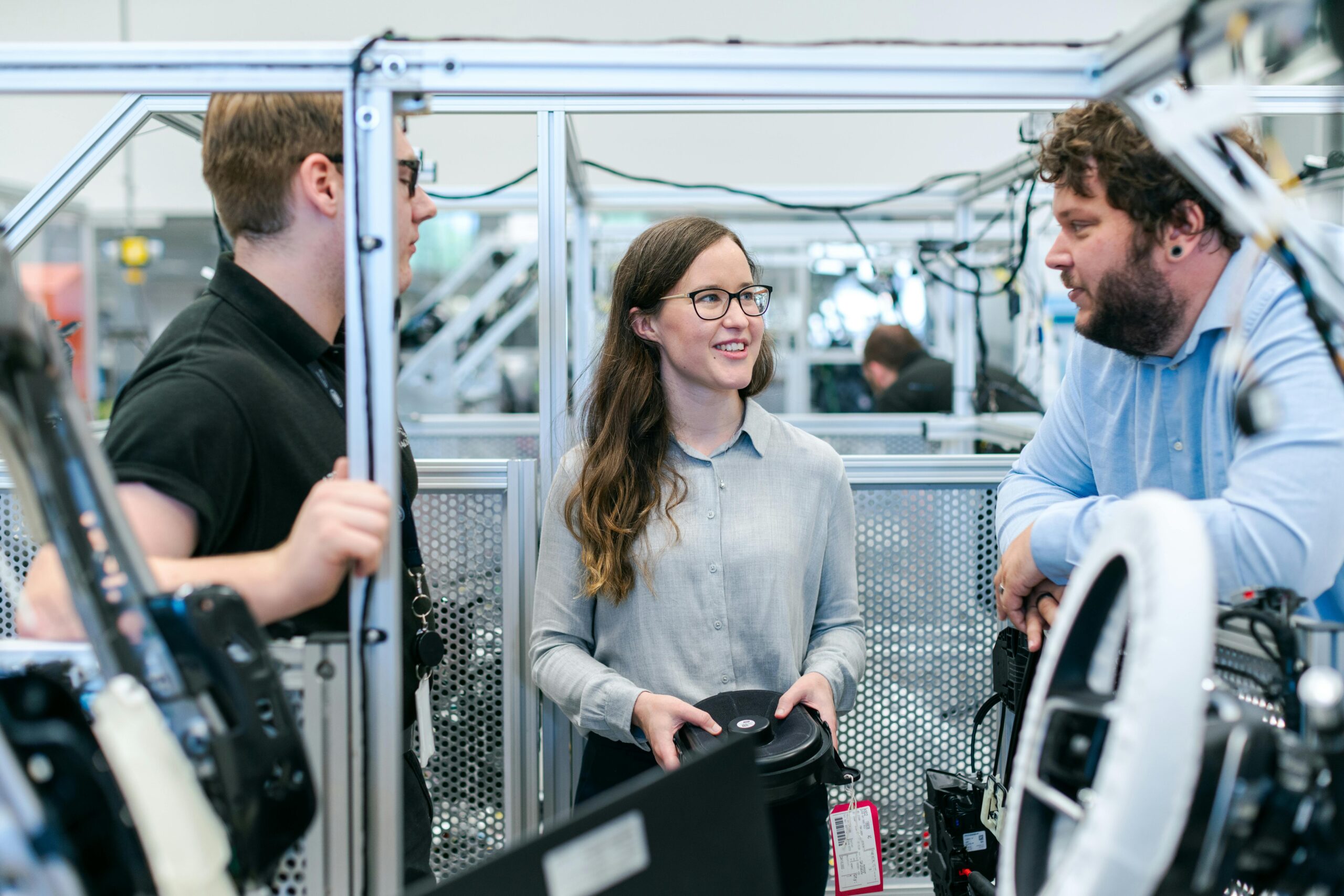
One of the most common questions I get from leaders in manufacturing, construction, and logistics is: “How do we get these young people to stick around?”
And by “young people,” they mean folks in their 20s, a.k.a. the life stage sociologists call emerging adulthood. Technically, we’ve got about 3.75 generations in the workplace right now. Traditionalists are mostly gone, Boomers are starting to retire, Gen X and Millennials are thick in the middle, and Gen Z is just starting to roll in like a thunderstorm on a humid day.
Now, I know what you’re thinking. You’re thinking:
“Back in my day, I started in the warehouse, worked my way up, and didn’t expect a trophy just for showing up.”
I hear you. But the game has changed.
Why Turnover Is So High (and Why It’s Not All Their Fault)
Emerging adulthood (18 to about 30) is defined by change and choice. People are figuring out who they are, where they want to be, and how many avocado toasts it takes to fill the hole of student loan debt. It’s a life stage, not a character flaw. And yes, turnover is higher in this group—but it’s not a lost cause.
Here’s the kicker: Most of what we blame on Gen Z—“they’re too sensitive,” “they don’t want to work,” “they ghost interviews”—is actually just what being 23 looks like in 2025. It’s not that different from when we were younger, except now they’ve got student loans, 24/7 social media pressure, and an economy that makes a starter home feel like a unicorn.
So, what do you do?
What Actually Works
There are seven things that drop turnover in emerging adults. And I promise you—these aren’t pie-in-the-sky ideas dreamed up by HR consultants who’ve never worked in a place with a forklift. These are real, tested, gritty workplace essentials. Let me give you just a few to start:
1. Tell the truth during hiring.
If the job involves standing for 12 hours loading lids into a hopper, don’t describe it as “an entry-level logistics specialist opportunity in a fast-paced environment.” Show them the hopper. Walk them to the floor. Let them meet Fred, who’s been doing it for six months and still has all ten fingers.
2. Don’t let them eat lunch alone.
You remember high school? That horrible, cafeteria-tray-in-hand, “where-do-I-sit” moment? That still happens. Grown adults sit in their cars during lunch because nobody invited them to the breakroom. A simple buddy system—where a veteran employee checks in for the first 60 days—cuts turnover in half. Yes, half.
3. Give them regular, positive feedback.
Look, I get it. You didn’t get a gold star for showing up early. Neither did I. But Gen Z expects coaching, not silence. They want to know if they’re doing well, and they want to hear it more than once a year during their review. If you only give feedback when something’s wrong, they assume you don’t like them—and they’ll bounce faster than a bad check.
4. Talk about how the job fits their life.
You may not have all the answers, but you can listen. Ask them, “How’s this schedule working for you?” or “Where do you see yourself in two years?” You’d be amazed how many people stay because someone took five minutes to ask what’s on their mind.
5. Be transparent—even when it’s messy.
If profits are tight, say so. If that new policy came from corporate and you’re not thrilled about it either, say that too (within reason, of course). Gen Z doesn’t expect perfection, but they do expect honesty. They live in the Transparency Era—and they can smell corporate spin a mile away.
6. Talk about the future, even if it’s foggy.
You may not have a perfect career path mapped out for them, but don’t dodge the conversation. Sometimes just acknowledging the uncertainty builds trust. “I don’t know what roles will open up in six months, but let’s keep talking about your goals.” That matters more than you think.
7. Stay in touch if they leave.
Here’s the plot twist: just because someone leaves doesn’t mean they’re gone forever. Life changes fast—especially when kids show up and childcare suddenly becomes the biggest line item in the budget. Make sure they know the door’s open. Keep in touch. You might be surprised who walks back in.
This stuff works. I’ve seen it play out in small plants and billion-dollar operations. I once worked with a manufacturing CEO who implemented just two of these—telling the truth in hiring and assigning buddies—and saw turnover drop by nearly 50% in six months. That’s not theory. That’s results.
If you’re tired of watching good people walk out the door, don’t give up. The answers are there. You just might have to adjust your game a little. You already know how to lead. Now you just need to lead across generations.
Let’s get to work.
